

What is laziness and what are the impacts of being labelled ‘lazy’?

Research
We study the meaning and impact of judgments about laziness — and how rethinking laziness can reduce harm and promote wellbeing.

Policy
Assumptions about laziness shape debates about who counts as ‘productive’ and who deserves support — influencing how policies are designed and applied.

Society
Judgments about laziness often point to deeper social issues such as inequality, discrimination, and gaps in care — and shape how people are seen and treated in everyday life.


“
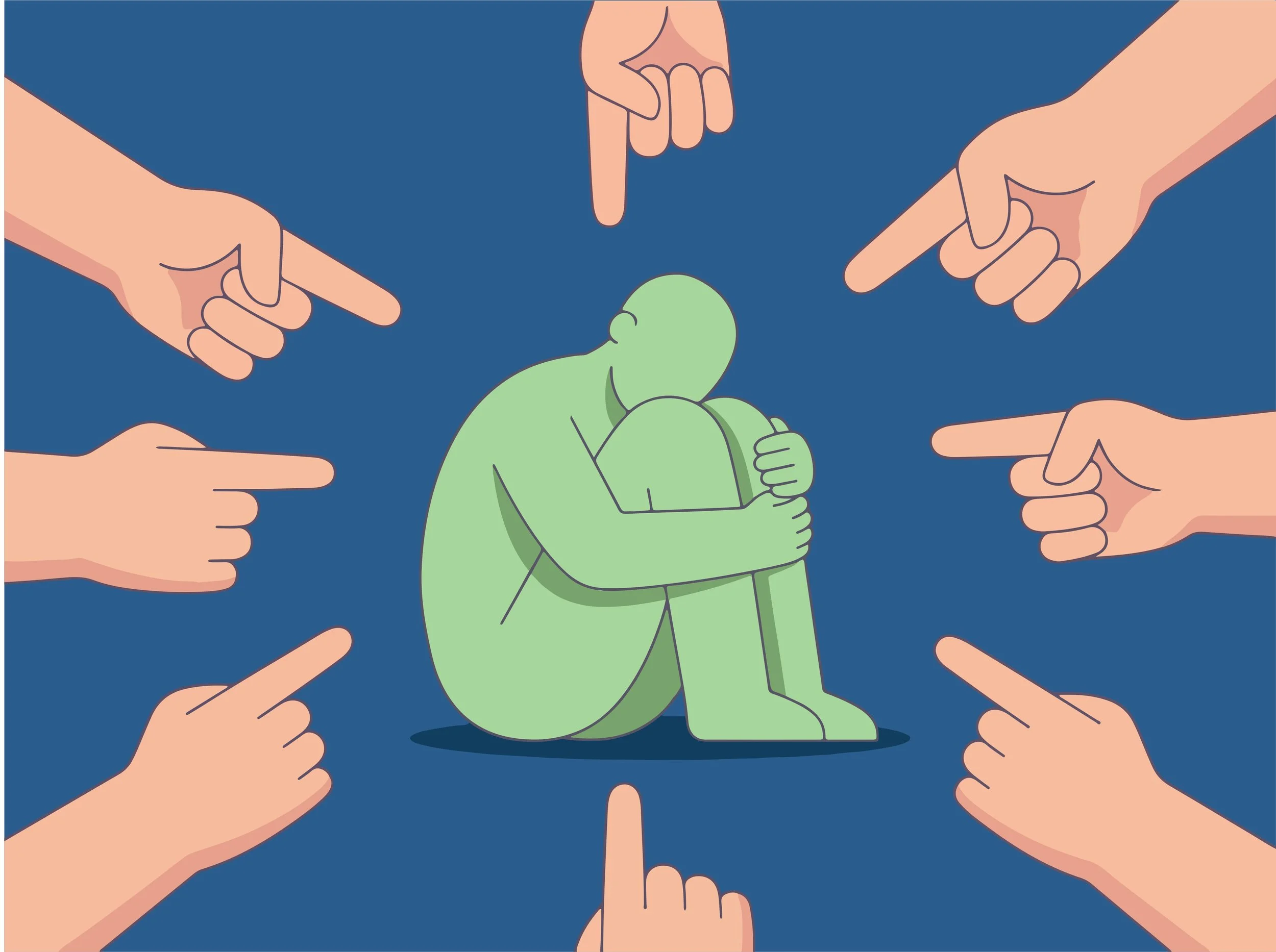
Have you ever been called lazy?
“
Have expectations about productivity ever made life difficult for you?
“
Do you worry you might be ‘just lazy’ when you’re not doing much?

In the spotlight
Why being ‘lazy’ at work might actually be a good thing
If you’re a young person today, you’ve probably felt the sting of being called lazy, or caught yourself wondering if you are. Do you sometimes feel guilty when not being productive, or find yourself pretending to be busy?
You’re not alone. Self-doubt about productivity is very common and no wonder: we’re immersed in a culture that expects constant achievement. The perception of gen Z (and millennials) being “lazy” or “entitled” persists, making it easy to internalise these criticisms.
If judgments about laziness have affected you in one way or another, we would love to hear from you.
We are keen to include perspectives that are often overlooked — for example from people living with chronic illness or disability, or those who may be more likely to be labelled ‘lazy’ because of their circumstances.